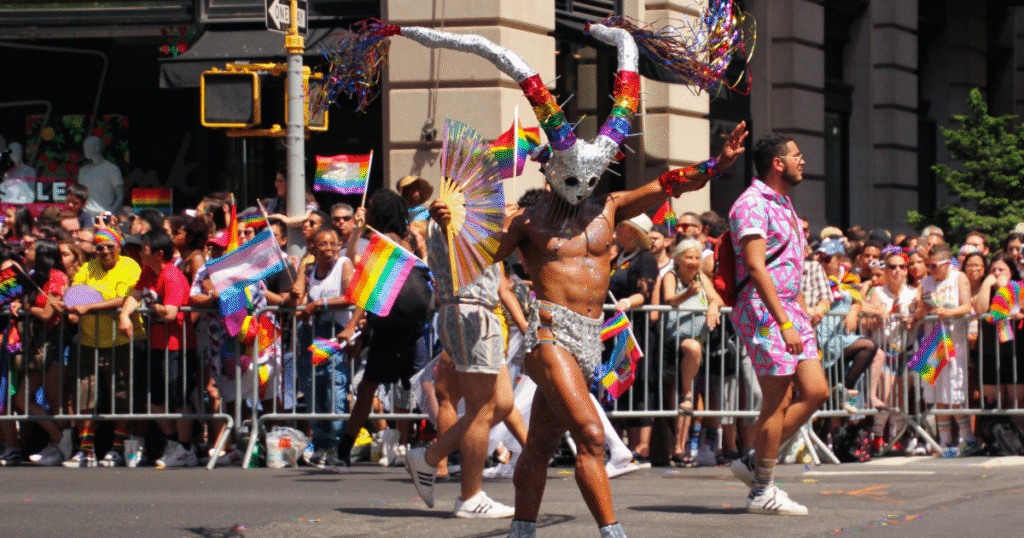
New York City has long been a beacon of diversity, creativity, and social change. Among the many groups that have shaped its cultural and real estate landscape, the LGBTQ+ community stands out for its lasting influence. From building vibrant neighborhoods to pioneering cultural hubs and advocating for equal housing rights, LGBTQ+ individuals have played a critical role in the city’s development.
The Historical Roots of LGBTQ+ Influence in NYC Real Estate
The relationship between queer history and New York City real estate dates back decades. Despite periods of marginalization, LGBTQ+ individuals carved out safe spaces where they could build community and foster cultural growth. Early gathering places in neighborhoods like Greenwich Village offered not only housing but also vital spaces for self-expression, activism, and mutual support.
Community centers, bars, clubs, and early tenant unions provided refuge and solidarity at a time when legal protections were limited. These spaces were more than just places to live — they became symbols of resistance, identity, and visibility, laying the foundation for future real estate and cultural developments across the city.
Early Gathering Spaces and the Rise of Queer Neighborhoods
In the mid-20th century, the West Village became a haven for LGBTQ+ individuals seeking safety, community, and acceptance. Organizations like Circle of Friends emerged during this time, helping establish what would become some of NYC’s most iconic queer neighborhoods.
The East Village also gained popularity for its embrace of artistic freedom and inclusivity. LGBTQ+-friendly bars, theaters, and community spaces flourished, offering critical venues for activism and mutual support. Today, many of these early sites—like those in Greenwich Village—are preserved as historic landmarks that continue to honor the community’s enduring legacy.
The Stonewall Uprising and the Growth of Visible Communities
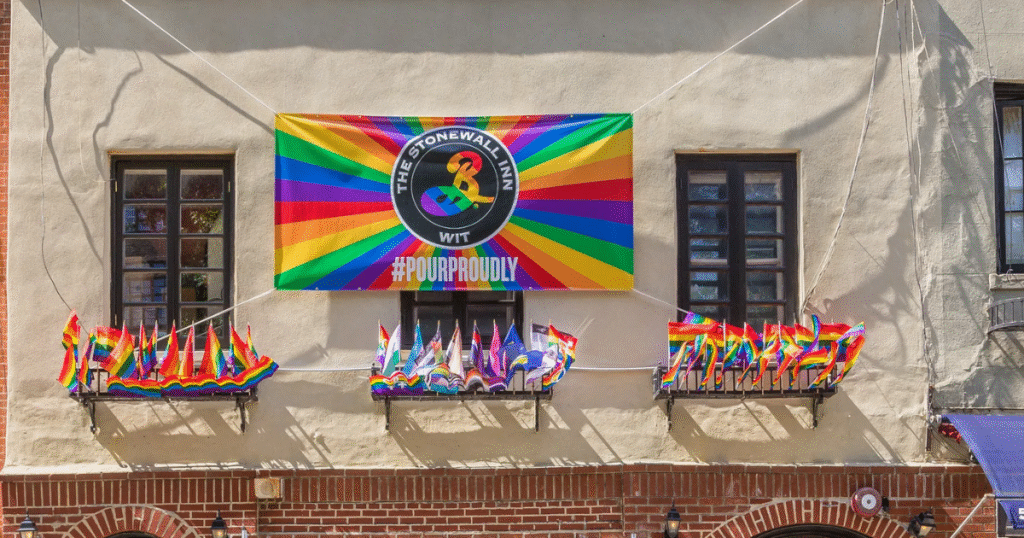
The 1969 Stonewall Uprising at the Stonewall Inn in Greenwich Village marked a turning point for LGBTQ+ rights and visibility. This pivotal event sparked global activism and led to the first Pride March in 1970, firmly linking LGBTQ+ civil rights with New York’s urban landscape.
Initiatives like the NYC LGBT Historic Sites Project work to preserve landmarks like Stonewall, ensuring that these sites remain visible symbols of the community’s fight for equality. Stonewall’s legacy continues to influence activism, urban development, and cultural preservation throughout NYC.
Greenwich Village: The Birthplace of LGBTQ+ Activism
Greenwich Village remains at the heart of LGBTQ+ activism and housing innovation. In the 1960s and ’70s, LGBTQ+ residents led tenant protection efforts and advocated for affordable housing, influencing the city’s rental and ownership laws. Today, landmarks like the Stonewall Inn and Christopher Street Pier serve as reminders of the neighborhood’s historic role in shaping LGBTQ+ identity and housing rights.
Chelsea and Hell’s Kitchen: From Margins to Mainstream
Once overlooked, Chelsea emerged as a thriving center for LGBTQ+ culture, fueled by an influx of gay and lesbian artists, galleries, and entrepreneurs. Similarly, Hell’s Kitchen offered a more affordable, inclusive space for LGBTQ+ individuals displaced from other parts of Manhattan.
However, gentrification has transformed both neighborhoods, driving up housing costs while also broadening their appeal. These evolving areas reflect the complex intersection of cultural inclusion and rising real estate values in NYC.
LGBTQ+ Entrepreneurs and Urban Development
LGBTQ+ entrepreneurs have played a central role in shaping both the cultural and physical landscape of NYC. From launching small businesses to leading real estate ventures, LGBTQ+ visionaries have helped create inclusive, vibrant urban spaces.
Notable contributions include:
- The Modulightor Building by Paul Rudolph.
- Keith Haring’s art installations, including pieces in Central Park.
- Christopher Street Pier, a key gathering place honoring LGBTQ+ history.
- The Angel of the Waters Fountain in Central Park by Emma Stebbins, the first woman to receive a major public art commission in NYC.
Organizations such as the Build Out Alliance promote LGBTQ+ leadership within New York’s real estate and design industries, further ensuring that inclusion and preservation remain priorities in future developments.
Ongoing Challenges and Opportunities
Despite progress, LGBTQ+ homebuyers and renters still face challenges, including discrimination, rising housing costs, and limited affordable housing options. Advocacy groups continue to play a critical role in providing resources, legal support, and education.
Key Issues:
| Challenge | Impact |
|---|---|
| Discrimination | Ongoing housing bias and safety concerns |
| Gentrification | Displacement due to rising rents and property values |
| Housing Rights Progress | Improved legal protections and expanded fair housing laws |
Advocacy Groups and Legal Protections
Organizations like Lambda Legal, The NYC LGBT Historic Sites Project, and local resource centers work tirelessly to protect LGBTQ+ housing rights. These groups advocate for equitable policies, provide legal aid, and educate both policymakers and residents about inclusive housing practices.
Recent updates to the Fair Housing Act have strengthened legal protections against discrimination based on sexual orientation and gender identity, helping ensure broader access to safe, affordable housing throughout NYC.
The Bottom Line
While challenges like discrimination and gentrification remain, advocacy and legal protections are helping pave the way for a more inclusive future. The contributions of LGBTQ+ entrepreneurs, artists, and activists continue to enrich New York’s identity as one of the world’s most dynamic and welcoming cities.
If you want to learn more or explore inclusive real estate opportunities in NYC, reach out to us today.










0 Comments